In our previous discussion, we explored what energy-efficient and carbon-neutral buildings truly are. That overview unveiled the technical and design frameworks that minimise operational emissions and balance the rest.
However, understanding the blueprint is only the beginning. Once we establish a building’s baseline efficiency, a profound transformation occurs.
Instead of acting as a defensive shelter holding the elements at bay, The structure becomes an active participant in ecological restoration. By promoting such structures, we move beyond the mechanics of keeping the environment out. Instead, we examine how high-performance architecture actively works in harmony with its surroundings, generateing generating tangible dividends that help natural ecosystems thrive.
The Paradigm Shift: From Shelter to Steward
Having crossed the threshold into designing carbon-neutral buildings, our structures are no longer just defensive boxes. It starts operating as active, restorative participants in our local ecosystems. By stepping beyond a model of mere damage control, this shift transforms architecture into a living mechanism for healing the landscape we inhabit. When a structure actively replenishes its surroundings, its physical presence, from clean energy integration to conscious material choices, directly translates into tangible, measurable environmental restoration.
Cutting Carbon Where It Starts
By tackling carbon right at the source, these buildings immediately relieve pressure on the broader ecosystem. It addresses both day-to-day operational energy and the invisible environmental debt locked within physical materials.
Decarbonizing the Grid: Lightening the Load
Our national grid is the backbone of India’s progress, yet it remains heavily reliant on carbon-intensive thermal power. Consequently, every kilowatt-hour (unit) saved through passive design and high-efficiency MEP (Mechanical, Electrical, and Plumbing) systems is a direct reduction in the demand placed on the grid.
When a building achieves net-zero operational status, it generates its own renewable energy on-site. Thus, it stops being a consumer and starts being a contributor.
By flattening the peak demand curve, these buildings allow the national grid to transition more gracefully toward a cleaner, decentralised energy mix. The most effective way to green the grid is to build structures that require less from it. Thereby reducing the systemic pressure to commission new, polluting fossil-fuel power plants.
Embodied Carbon: Clearing The Hidden Environmental Debt
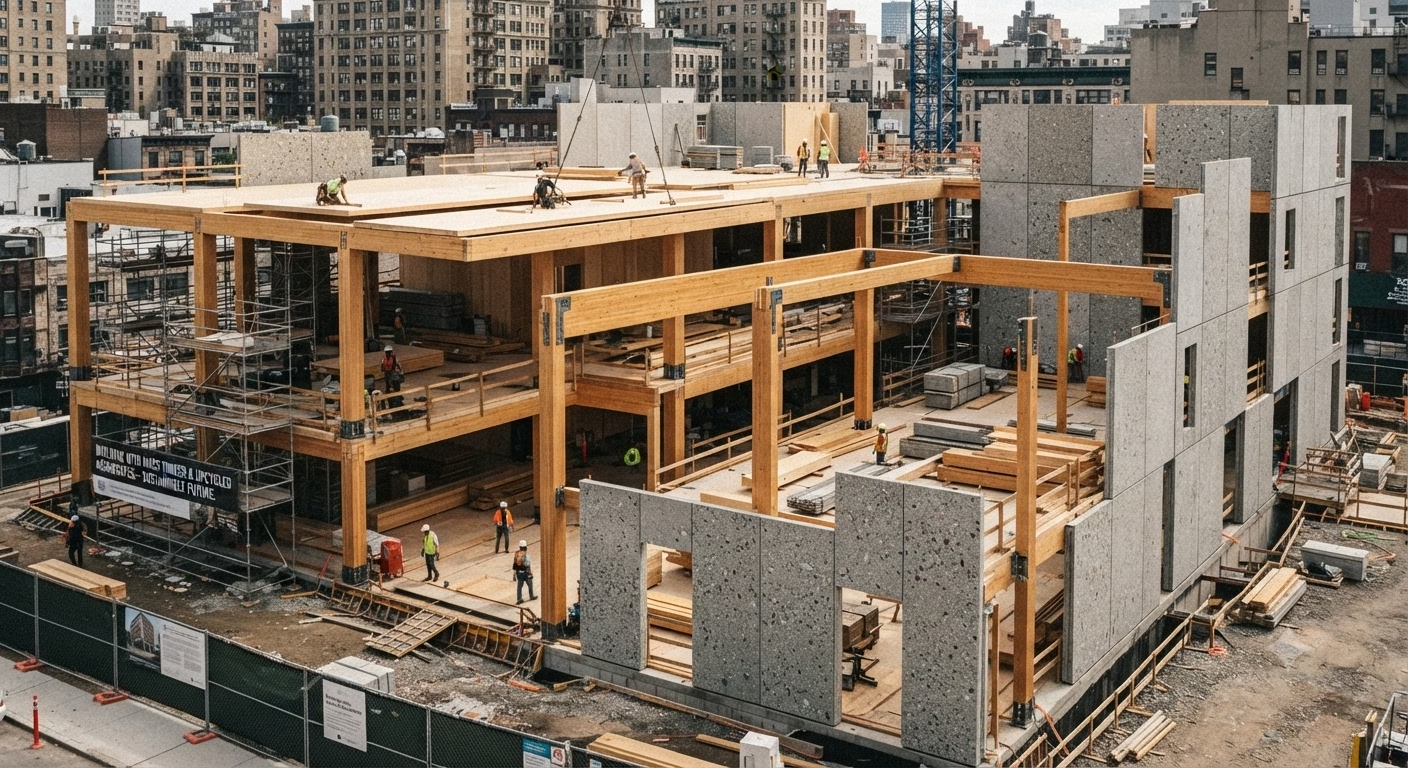
Carbon-neutral buildings utilise mass timber, high-volume fly ash concrete, and upcycled construction debris. Consequently, they completely bypass the conventional materials that drive the industry’s massive embodied carbon debt.
By embracing this circularity, these structures break free from the destructive cycle of raw material extraction. Furthermore, choosing these low-impact materials actively prevents source-level deforestation, quarrying, and industrial pollution.
As a result, every structural choice turns into a tool for conservation. Having fundamentally transitioned from a “take-make-waste” model to a restorative construction economy, these buildings naturally extend their role beyond emissions reduction, seamlessly integrating into the local ecosystem to replenish the very landscapes they occupy.
Stewardship of Natural Resources
Beyond managing energy and materials, these high-performance structures actively integrate with the local ecosystem. This ensures that every operational process gives back to the surrounding landscape.
Water Conservation: Transforming Buildings into Assets
Operating on an advanced closed-loop philosophy, carbon-neutral buildings become water-positive, completely transforming how urban structures interact with natural resources. Through integrated rainwater harvesting and on-site greywater treatment systems, these structures decouple themselves from overstressed municipal aquifers.
By capturing, treating, and reusing their own water for landscaping and flushing, they stop competing with the community. Instead, they function as localised water-production hubs, buffering the surrounding ecosystem against seasonal shortages. Consequently, this eliminates the energy-intensive burdens of long-distance water transport and conventional sewage treatment.
Biodiversity & Urban Greening: Restoring the Lost Habitat
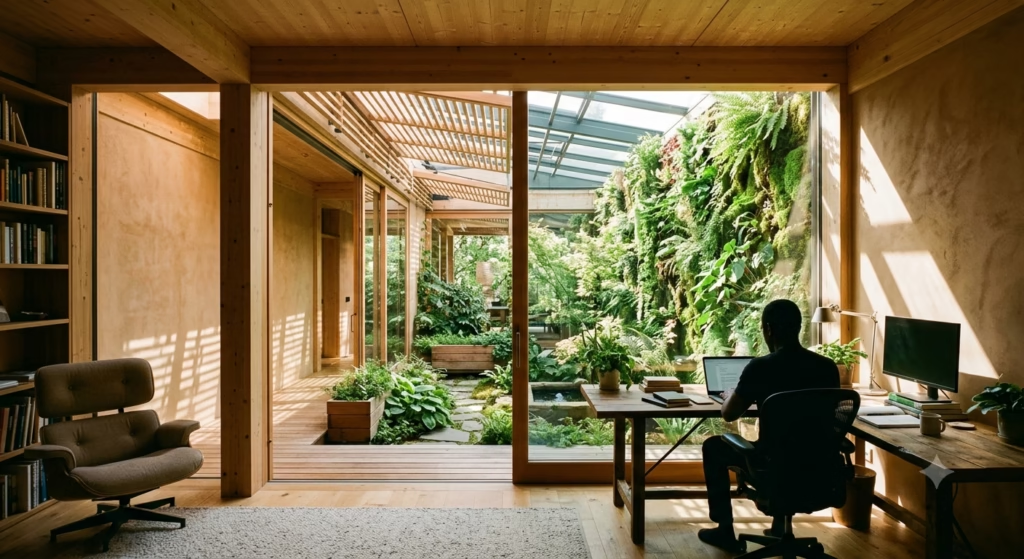
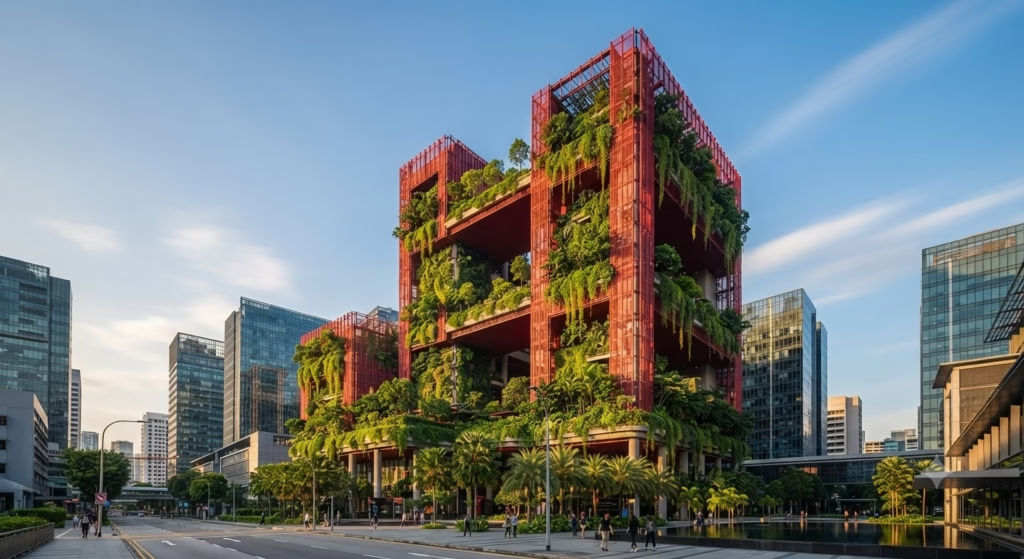
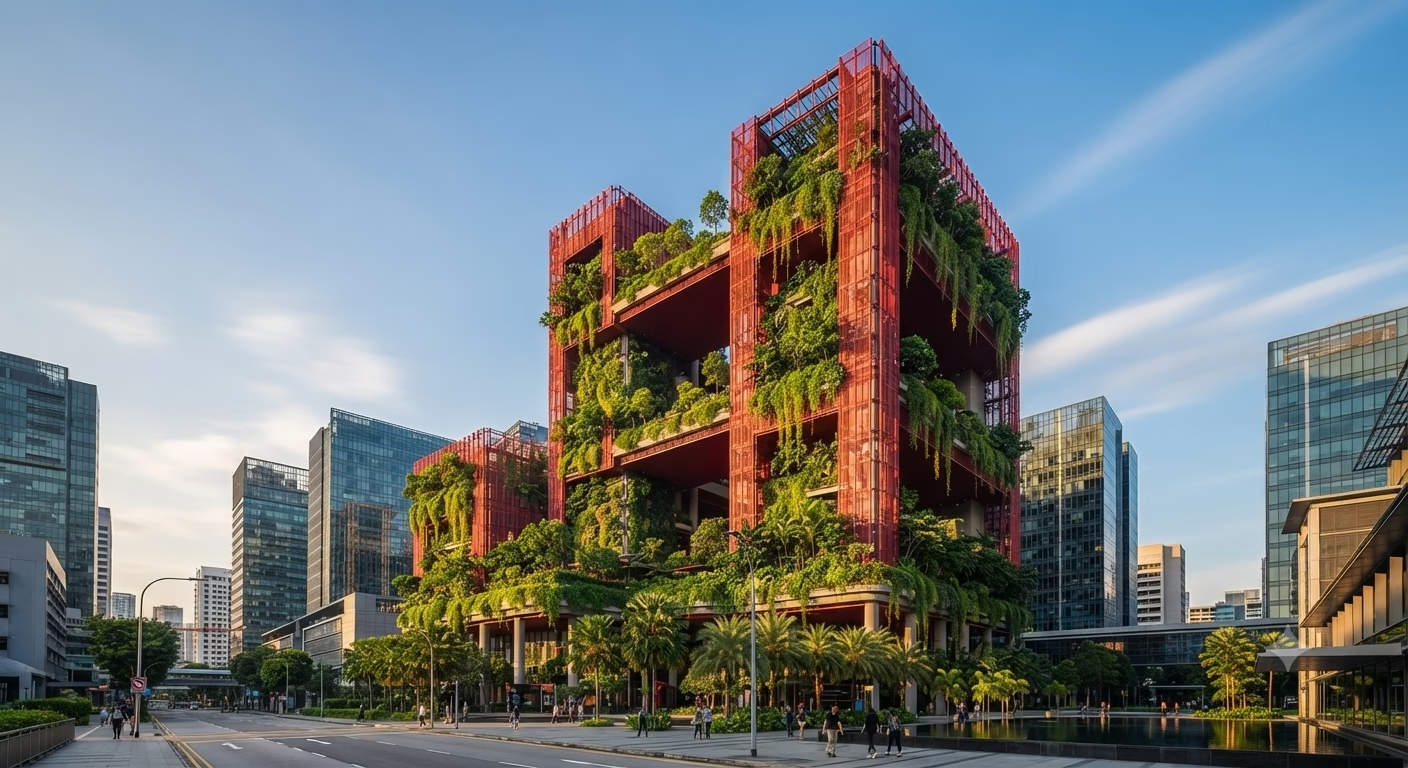
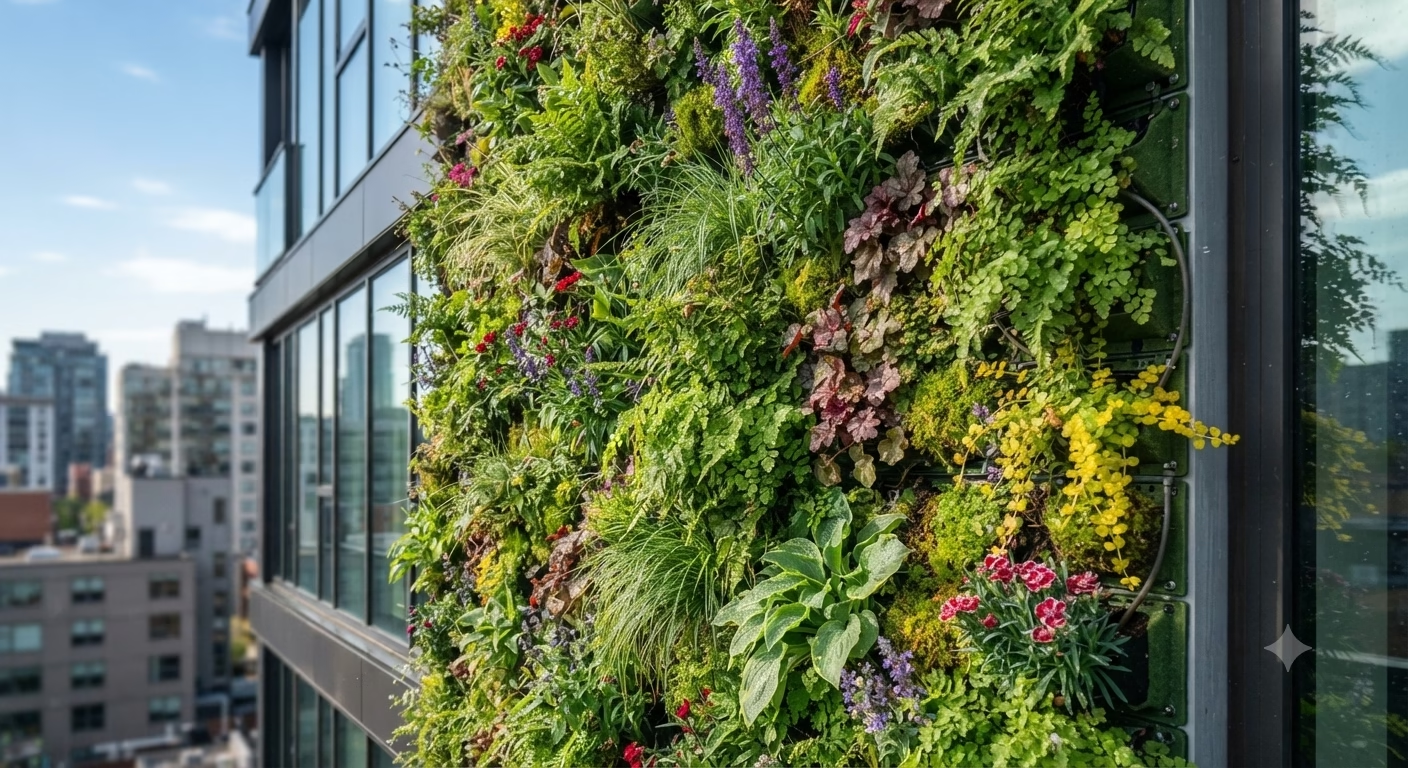
Moving beyond the concrete desert, these high-performance structures actively integrate biodiversity directly into their architectural DNA. Through the strategic implementation of green roofs, living walls, and vertical gardens, they establish essential micro-habitats that invite native species back into urban centres.
Beyond aesthetics, this living infrastructure delivers critical climate benefits. By increasing evapotranspiration and providing natural thermal mass, it directly mitigates the urban heat island effect. These green features act as a natural thermal shield and ecological anchor, proving that designing for nature yields a cooler, more balanced, and resilient urban fabric.
By protecting water sources and fostering urban biodiversity, these structures act as localised ecological stewards. Their impact extends straight into the surrounding atmosphere. A truly restorative built environment goes beyond conserving inputs. It actively cleanses the immediate microclimate, mitigating invisible pollutants and safeguarding long-term environmental balance.
Pollution Mitigation & Air Quality
Beyond conserving resources and fostering biodiversity, high-performance architecture actively engages with the atmospheric health of our cities.
Specifically, it utilises exterior green envelopes and photocatalytic facade coatings. These coatings break down nitrogen oxides (NOx) on contact, neutralising smog and measurably improving the neighbourhood microclimate.
By replacing heat-trapping traditional surfaces with living, breathable building skins, these structures counter urban heat island effects. Thereby significantly reducing chemical off-gassing into the open air, which proves that architecture can act as an active shield for regional environmental well-being.

Studio Green Architects
Do you want to make your next building net zero? But How?
The Regenerative Future
To truly reverse ecological decline, our buildings must evolve from merely balancing their ledger sheets to actively enriching the planet.
Moving Beyond Sustainability: The Architecture of Net-Positive Impact
For decades, the green building movement has measured success through mitigation, reducing energy loads, lowering carbon counts, and minimising waste. While these strategies are critical stepping stones, sustainability alone is no longer enough on a warming planet.
A building that merely achieves a “net-zero” impact is simply stopping the bleeding when the regenerative future demands a paradigm shift toward “net-positive” design. This means creating structures that actively generate surplus clean energy to feed back into the grid.
Moreover, they purify more water than they consume and enrich the surrounding ecological and social fabric. Regenerative architecture treats the building not as an isolated asset. It turns it into an active engine for environmental healing and long-term community resilience.
The Ultimate Dividend: A Restorative Legacy for India and Beyond
Embracing this regenerative mindset redefines our ultimate purpose as architects, consultants, and developers. When we design structures that function as healthy ecosystem participants, sequester carbon through innovative materials, clean our urban air, and nurture local biodiversity, we create a profound legacy.
This is where professional ambition aligns with our deepest moral responsibility: making the construction industry truly carbon-free and restorative, at least in India. By building for a regenerative future, we ensure that our infrastructure is no longer a monument to human consumption but a living testament to human stewardship, guaranteeing that the built environments we leave behind will help the natural world and the generations inhabiting it not just survive but thrive.
Conclusion: Beyond the Blueprint
A carbon-neutral and regenerative built environment in India is not only a distant, utopian dream; it shifts our perspective from static shelters to active ecosystem participants, and our infrastructure successfully transforms from a climate liability into a vital environmental solution.
This transformation is driven by tangible results: relieving systemic grid pressure through net-zero operations, clearing embodied carbon debt via circular material economies, turning buildings into localised water-production hubs, and cooling our urban fabric through living infrastructure and clean-air envelopes.
Designing buildings that breathe with nature and give back more than they take, our infrastructure stands as a true steward of the environment. The commitment to this path of ecological architecture finds its ultimate validation in the survival and restoration of our natural ecosystems. Yet, safeguarding planetary health is only half the story. In our next post, we will cross the threshold from environmental restoration to personal well-being, exploring how these high-performance structures directly transform and elevate human life.