In our last discussion, we explored how high-performance architecture steps beyond mere damage control. Furthermore, generating profound environmental dividends i.e. clearing embodied carbon, greening our power grids, and turning buildings into living stewards of nature. Yet, safeguarding planetary health is only half the story. The true measure of a regenerative architecture extends far beyond its ecological footprint. It reaches directly inward, shaping the spaces where we live, work, and breathe every day.
Breathing Spaces: From Planetary Health to Human Well-Being
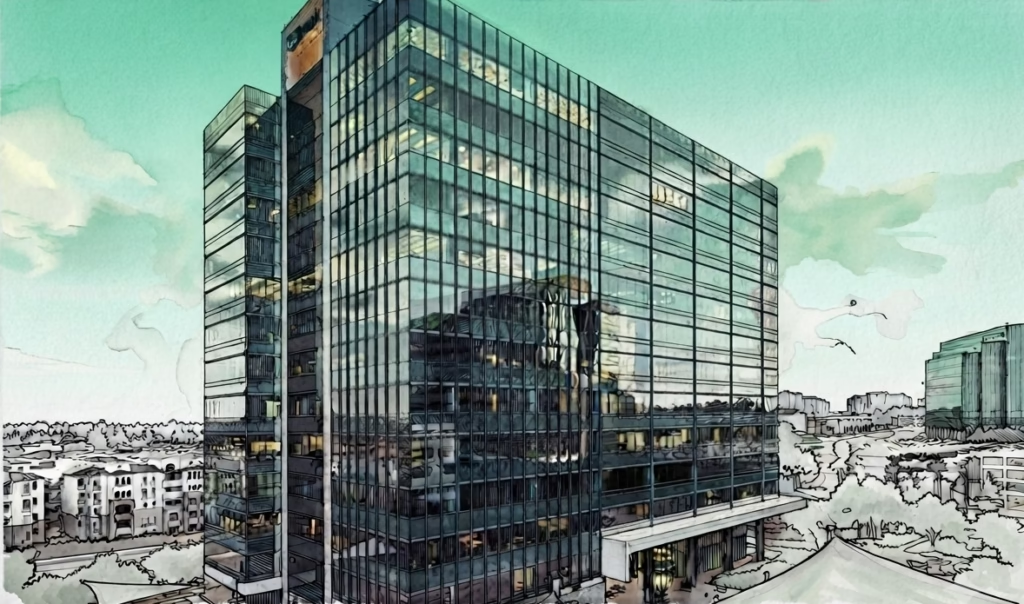
For decades, modern urban design treated buildings primarily as physical shields. The designs that encloses to lock the external environment out while mechanical systems forcefully condition the air within. Unfortunately, this “sealed-box” approach has too often created an unintended trade-off. Structures that protected us from external elements began compromising internal well-being through stagnant air, toxic material off-gassing, and sensory deprivation.
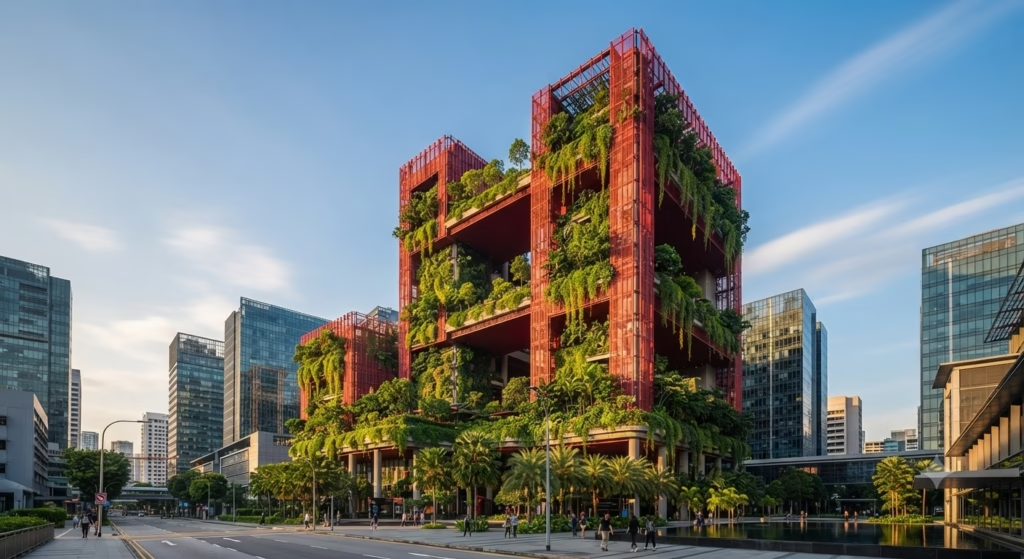
True regenerative architecture dismantles this false dichotomy. When a building is engineered to interact harmoniously with nature, utilizing breathable envelopes, non-toxic circular materials, and integrated living green systems, its benefits flow seamlessly from the outer atmosphere to the inner occupant. The very strategies that heal the planet, purifying the air, harnessing natural daylight, and regulating thermal mass, are the exact mechanisms that restore human vitality.
By shifting our focus from passive shelter to active human stewardship, we recognize that buildings as dynamic living systems. The systems that either drain our energy or elevate our potential. Designing for the human experience means moving past the bare minimum of code compliance. We must create environments that nurture respiratory health, sharpen cognitive function, and foster profound psychological calm. When architecture heals the ecosystem, it simultaneously builds a sanctuary for the human spirit. This ensures our habitats help us not just survive, but truly thrive.
This profound shift from ecological restoration to personal vitality begins at the most fundamental biological level: the air we pull into our lungs every single moment of the day.
Decoding the Breath: Escaping Sick Building Syndrome Through Regenerative Architecture
The Invisible Trap: Escaping Sick Building Syndrome
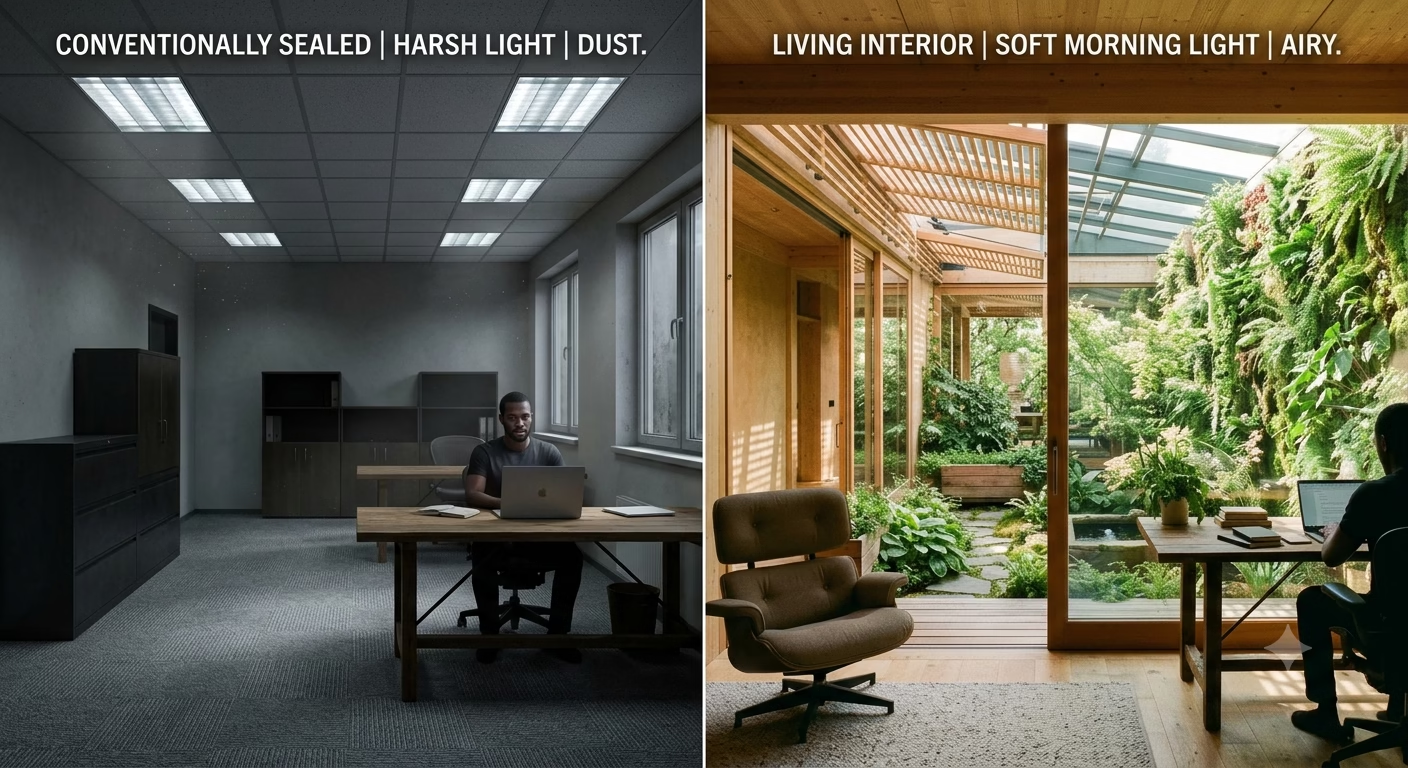
We spend nearly ninety percent of our lives indoors. Yet, conventional urban construction has turned our homes and offices into atmospheric traps. Standard building materials, synthetic paints, solvent-based adhesives, formaldehyde-releasing pressboards, and conventional carpets engage in a constant, silent chemical off-gassing.
Furthermore, heavily recirculated HVAC air and airtight windows, these modern interiors accumulate volatile organic compounds (VOCs) and microscopic particulate matter. Consequently, they create an indoor environment often more polluted than the congested city streets outside.
This invisible burden causes “Sick Building Syndrome“. It is a silent epidemic characterised by chronic fatigue, persistent headaches, aggravated allergies, and diminished cognitive performance.
Architecture as a Living Lung: The Clean-Air Solution
High-performance architecture solves this crisis not by masking pollutants with chemical fragrances, but by fundamentally redesigning the building’s breathing envelope. By replacing toxic synthetics with circular, bio-based materials like low-VOC finishes, clay plasters, and natural timber. We eliminate indoor pollution at the source before it even enters the space.
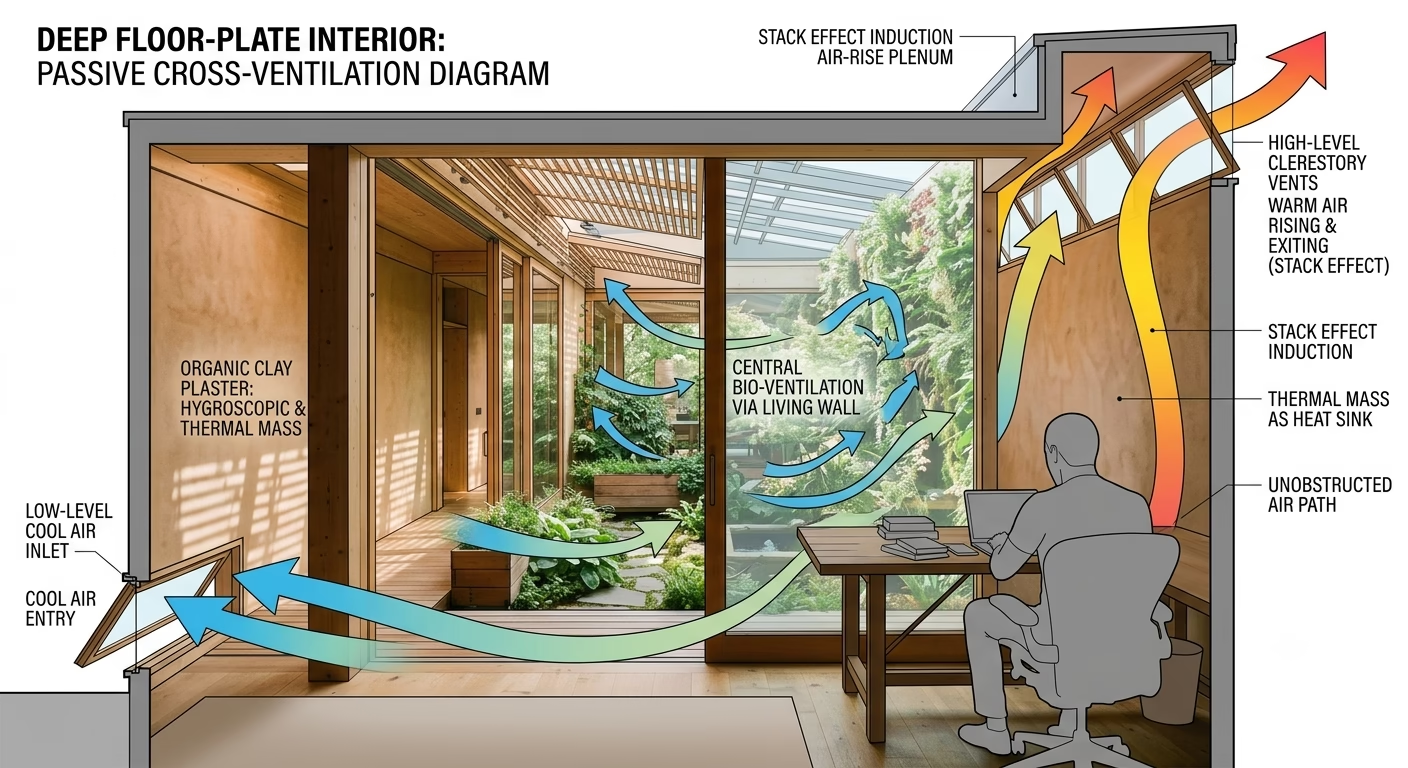
When this material integrity is paired with an intelligent passive ventilation, the building transforms into a living lung. Plant roots and specialized microbiomes metabolize airborne toxins. Meanwhile, natural cross-ventilation flushes out stale air and restores optimal oxygen levels.
The human dividend of this clean-air architecture is immediate and transformative. Freed from the constant immune stress of fighting invisible toxins, occupants experience clearer breathing, deeper and more restorative sleep, sharper daytime focus, and long-term respiratory health. When a building’s air is as pure and intentional as its structural design, the indoor space ceases to be a confined box and becomes a true sanctuary for human vitality.
Yet, pure air is only the baseline of indoor vitality. How a space regulates light, temperature, and atmospheric movement dictates the biological rhythms governing our daily energy, focus, and recovery.
Rhythms of Rest and Energy: Harmonizing Light and Thermal Flow
Breaking the Artificial Cycle: The Hidden Cost of HVAC and Static Light
For generations, modern architecture has relied on heavy-handed mechanical climate control. Spaces were blast-cooled with artificial chill while sealing occupants behind tinted, static windows. This reliance on aggressive HVAC systems creates harsh thermal shocks, persistent artificial drafts, and stagnant temperature micro-zones. These conditions drain human energy and strain respiratory health.
At the same time, fluorescent and flat LED lighting environments disconnect us from the natural progression of the sun. This throws our internal biological clocks out of sync and leading to chronic fatigue, impaired focus, and restless sleep patterns.
Restoring Balance: Passive Thermal Mastery and Circadian Lighting
High-performance, regenerative architecture replaces these artificial interventions with passive thermal mastery and biophilic lighting design. By leveraging high performance thermal mass such as thick earthen walls, fly-ash concrete, and shaded mass timber, the building naturally absorbs daytime heat and releases it slowly. This maintains balanced, comfortable indoor microclimates without jarring temperature swings. Coupled with smart natural ventilation pathways spaces breathe with gentle, continuous air movement that cools naturally.
Parallel to thermal balance is the restorative power of optimized daylighting. Regenerative design strategically shapes window placement, light shelves, and interior orientations to flood spaces with rich, full-spectrum sunlight. This continuous connection to natural light cues the body’s internal circadian rhythm. Bright, blue-enriched morning light naturally suppresses melatonin to spark alertness and mental clarity. Meanwhile, softer evening light allows the nervous system to wind down gracefully.
When a building synchronizes its climate and illumination with nature’s cycles, it does far more than save energy. It restores the body’s natural baseline. It also relieves chronic physical stress, sharpens cognitive performance, and ensures our living and working environments actively recharge our vitality.
While stabilizing our breathing and biological rhythms establishes a strong physiological baseline, our minds also require a sanctuary that actively relieves cognitive fatigue and restores psychological peace.
Psychological Restoration: The Healing Power of Biophilic Spaces
Modern urban living has trapped us inside a concrete jungle of hard lines, synthetic textures, and constant sensory overload. This sterile environment forces our brains into a state of continuous, directed attention. We constantly filter out urban noise, artificial glare, and harsh geometry. This rapidly drains our mental reserves, drives up cortisol levels, and fuels chronic stress.
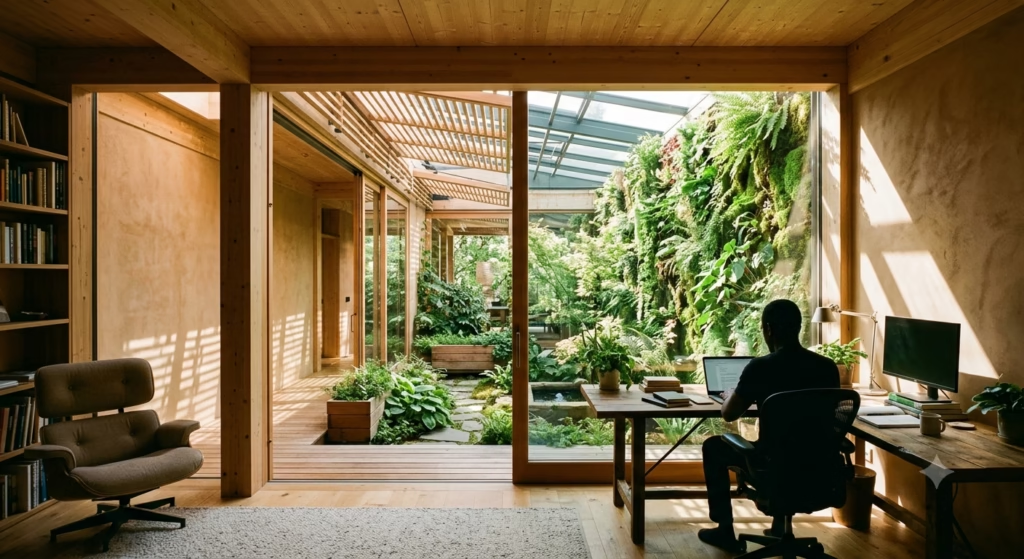
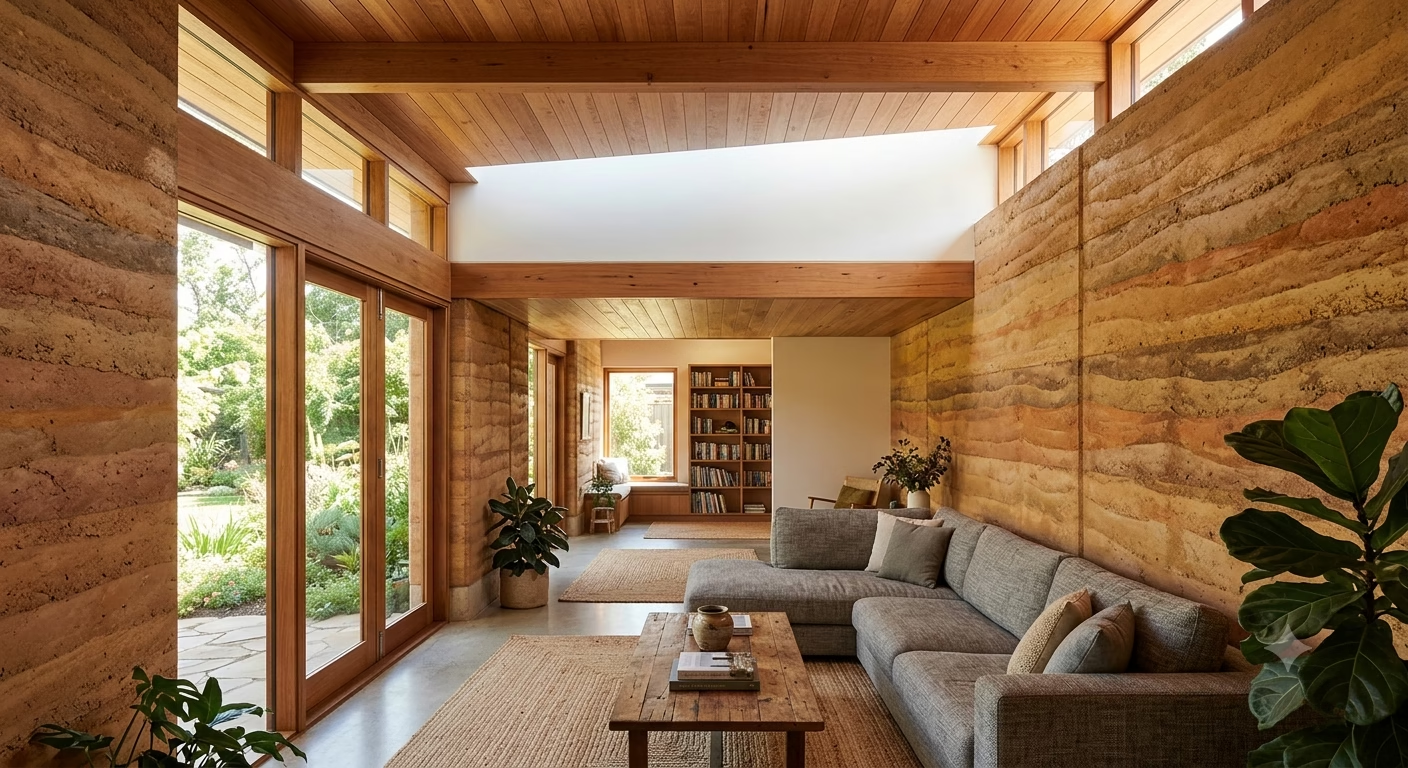
Regenerative architecture directly counters this psychological toll by integrating biophilic design principles that reconnect human consciousness with the natural world. By weaving living walls, thriving indoor greenery, exposed natural timber textures, and flowing water features directly into the architectural fabric, these spaces break down the psychological barrier between inside and out.
The human impact of this living architecture is profound. Scientific studies consistently demonstrate that exposure to natural textures and organic geometry acts as a powerful cognitive reset, lowering cortisol levels, reducing blood pressure, and alleviating mental fatigue through “attention restoration theory”. Surrounded by living elements, nervous systems shift out of a perpetual “fight-or-flight” stress loop into a state of calm focus.
Ultimately, these living spaces do far more than look aesthetically pleasing. They actively nurture emotional resilience and safeguard our mental well-being whether we are working, collaborating, or resting at home.
Visual biophilia and organic textures grounds our mental state. But, true interior sanctuary also requires shielding the nervous system from the relentless auditory chaos of the modern city.

Studio Green Architects
Do you want to make your next building net zero? But How?
Acoustic Comfort and Ergonomic Harmony: Sculpting Sonic Sanctuary
Dense urban environments subject residents to a constant barrage of traffic noise, heavy machinery, and structural vibrations. Even when we consciously tune this noise out, our autonomic nervous system registers it as a continuous threat. This keeps the body locked in a chronic, low-level “fight-or-flight” stress loop that accelerates cognitive burnout and hearing fatigue.
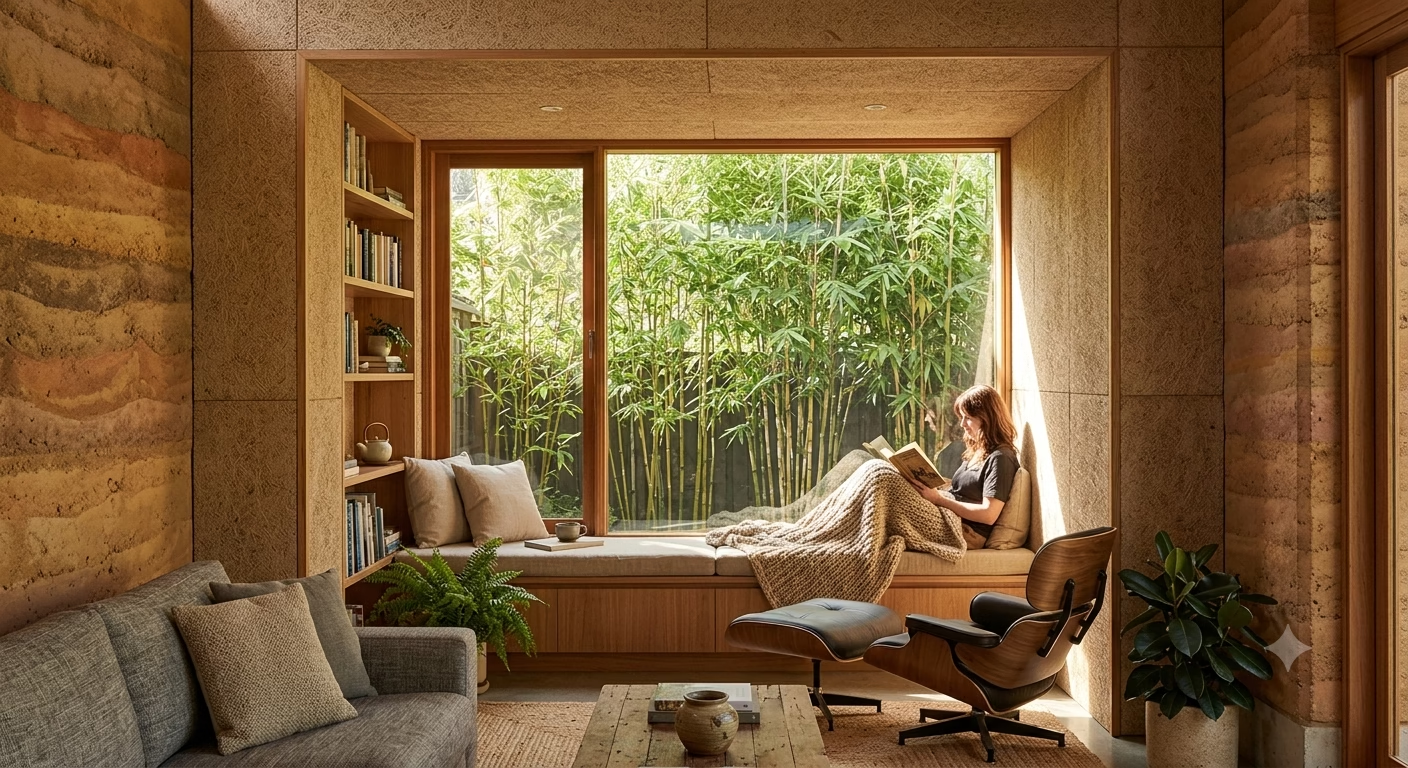
Regenerative architecture addresses this sensory overload by transforming the building envelope into an acoustic shield. Instead of relying on hollow partitions, sustainable high performance construction utilizes dense, natural insulation materials. This includes wood fiber boards, dense cellulose, exposed structural mass timber, and multi-layered green facades, that naturally absorb high-frequency sound waves.
The human benefit of this acoustic design is profound. By sealing out exterior chaos and internal resonance, these structures create an oasis of deep, restorative silence. Lowering ambient noise pollution directly reduces resting blood pressure and cortisol levels. It protects auditory health and giving the human brain the uninterrupted cognitive downtime it needs to recover from daily fatigue.
By aligning our indoor atmosphere, biological rhythms, psychological safe havens, and sonic environments, regenerative architecture successfully redefines what a building can do for the human body.
Conclusion: The Ultimate Synthesis of Regenerative Architecture and Humanity
Ultimately, the true measure of a building is not found in its energy bills or its aesthetic facade. It is measured in how it treats the human life unfolding within its walls.
When we design spaces that banish sick building syndrome, stabilize our internal clocks, soothe our cognitive fatigue with pragmatic biophilia, and shield our nervous systems from urban noise, architecture stops being a passive container. Instead, it becomes an active catalyst for human health, focus, and longevity.
We have journeyed from global climate policies down to the micro-mechanics of indoor air, light, and sound. This proves that carbon-neutral architecture is ultimately human architecture. But a building that breathes life into its occupants cannot rely on sustainable operations alone; its creation must honor the earth from its very inception.
How do we bridge the gap between visionary human-centric design and the raw reality of physical execution? In our next post, we pull back the curtain on sustainable construction, exploring how feasibility, smart financing, and low-impact site delivery turn blueprint theory into concrete reality.